
6 ways to stop caregiver burnout before it starts
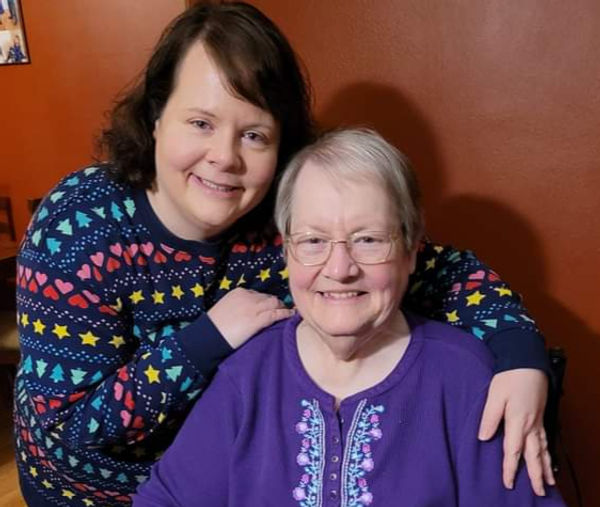
Caregiving for others starts with caring for yourself to avoid burnout
Carrie's caregiving testimonial
If you’re a caregiver, you already know: It’s emotional, exhausting, and often overwhelming.
You might feel alone, but you’re not. According to a 2025 report published by AARP and the National Alliance for Caregiving, more than 50 million Americans are family caregivers to adults age 50 and older, and that number keeps growing. Many are part of the “sandwich generation”— balancing careers, raising kids, and caring for aging parents all at once.
That was me.
Caregiving changed everything for me
As the only child of a widow, I always knew I’d have to care for my mom one day. But I had no idea how hard it would really be.
In many ways, my caregiving journey started when I was 21, after my dad passed away from cancer. My mom moved in with my grandma, but she faced several health challenges over the years, and I had to step in often.
Life kept moving. I got married, had kids, and built a career.
My mom beat breast cancer. She moved into her own apartment. She beat bladder cancer.
But in October 2022, everything changed. She had a heart attack and was diagnosed with congestive heart failure. She could no longer live alone, and we weren’t sure she’d make it to Christmas.
In one day, I had to have three of the hardest conversations of my life:
-
With my mom — who was afraid and didn’t want to go to a nursing home
-
With my husband — asking if mom could live with us
-
And with my daughters — telling them grandma would be moving in, and one of them would need to give up her room
After weeks in the hospital and rehab, mom came to my home weak and bedridden. She needed help with everything.
The reality no one prepares you for
At first, I thought I could handle it all. A little research. A good checklist. A positive mindset.
But caregiving isn’t just logistics. It’s a series of constant mental and emotional tests.
During the day, I packed up mom’s apartment. At night, I was up constantly — like caring for a newborn — only this newborn had opinions.
After months of occupational therapy, mom improved. But I started to fall apart.
Caregiver burnout is real, and it sneaks up on you
I kept going — working, parenting, and caregiving. I called it “robot mode.” My therapist called it “dissociation.”
As an empath, I carried not just my own stress, but everyone else’s emotions in the house. I became the referee among frustration, sadness, and exhaustion.
Then came the anxiety attacks. The loss of joy. The realization that I didn’t feel like myself anymore.
If you feel this way, you’re not failing. You’re experiencing caregiver burnout.
My turning point
I realized I wasn’t following the well-known advice: “Put your own oxygen mask on first before helping others.” Or as I later heard with the L.R. Knost quote: “Taking care of yourself doesn’t mean me first. It means me too.”
I knew I needed something just for me. I hired a personal trainer at my gym. That time away helped me release stress, regain energy, and rebuild strength — physically and emotionally. And in the end, I needed that strength to care for my mom until she passed.
What helped me (and what can help you, too)
The anniversary of my mom’s passing is approaching. I’m starting to feel like myself again. But I’ve also accepted that caregiving changes you.
I’m grateful I was there for my mom. But I don’t want other caregivers to lose themselves like I did. Here are a few things I learned.
1. Ask for help
Don’t hesitate to ask for help. You’re not weak or avoiding responsibility if you use the caregiving services available to you. Support services can make a meaningful difference.
I waited too long to ask for additional help, and I wish I hadn’t. When I finally reached out, it changed everything. The relief was immediate. You don’t have to do it alone.
2. Talk to someone
Your mental health matters just as much as their physical health. Therapy can give you a place to:
-
Say the hard things out loud
-
Feel everything without judgment
-
Be reminded that what you’re feeling is normal
3. Use respite care
We had access to respite care, but at first, I didn’t fully take advantage of it. When we finally did, we made it count, taking real breaks as a family, even planning international trips. Respite care gave my family time to recharge and bond. And having something to look forward to carried me through the hardest days.
4. Silence the guilt (or at least quiet it)
If you're caring for kids and a parent, the guilt never really stops. When you’re helping your parent, you feel guilty for not spending time with your kids. When you’re with your kids, you feel guilty for not being with your parent.
Give yourself grace. You’re human. You’re doing your best — and that’s enough.
5. Find something that’s just yours
I felt like a shell of myself because I was pouring care into everyone else and nothing into me. Even small moments can help you feel like yourself again, whether it’s a nightly walk, early morning coffee before everyone wakes up, or a weekly friend dinner. You need to get away and just be you for a while, not be a parent, caregiver, or employee.
Whatever you choose, it should:
-
Be time that is just yours
-
Be a way to release stress
-
Give you energy to care for others
6. Recognize your strength
Caregiving is hard. And when you’re combining it with raising children and working full-time, you realize how much you can handle. Give yourself credit for showing up every day. You’re stronger than you think.
What caregiving taught me
My mom lived with me for 2 ½ years before she passed away. That time was incredibly hard, but also deeply meaningful.
Now, as my family continues to heal, I know this: Caregiving changes you. I’m not the same person I was before. I never will be. But I’m stronger and more aware of what matters.
Explore more caregiving support
If you’re navigating the caregiving journey, you don’t have to do it alone. Take a breath, and remember: "Caring for others requires strength, but caring for yourself is where true resilience begins." (Unknown)
Here are a few helpful resources:
Photo credit: Carrie caregiving for her mom, Connie.
Find us on social media & Etsy too


Let's make learning joyful, creativity accessible, and growth possible — together.